
400-998-5282
专注多肽 服务科研
400-998-5282
专注多肽 服务科研

CGRP 和降钙素在其不同受体的水平上相互交叉反应。α-CGRP (8-37) 已被描述为 CGRP 受体的选择性拮抗剂,但不是降钙素受体的选择性拮抗剂。因此,该片段似乎是受体表征研究的宝贵工具。
编号:159755
CAS号:119911-68-1
单字母:H2N-VTHRLAGLLSRSGGVVKNNFVPTNVGSKAF-CONH2
| 参考文献(References): | T. Chiba et al., Amer. J. Physiol., 256, E331 (1989) |
CGRP 和降钙素在其不同受体的水平上相互交叉反应。α-CGRP (8-37) 已被描述为 CGRP 受体的选择性拮抗剂,但不是降钙素受体的选择性拮抗剂。因此,该片段似乎是受体表征研究的宝贵工具。
CGRP and calcitonin cross-react with each other at the levels of their distinct receptors. α-CGRP (8-37) has been described as a selective antagonist for CGRP receptors but not for calcitonin receptors. This fragment thus appears to be a valuable tool for receptor characterization studies.
CGRP(人类,8-37)是一种源自降钙素基因相关肽(CGRP)的肽,存在于人类的神经系统和其他组织中。它是全长CGRP肽的截短形式,由CGRP序列的最后30个氨基酸(氨基酸8-37)组成。\nCGRP是一种有效的血管扩张剂,在调节血流和血压方面起着关键作用。它还涉及疼痛感知,炎症和神经源性炎症。CGRP(人类,8-37)是CGRP的拮抗剂,这意味着它与CGRP受体结合而不激活它,从而阻断CGRP的作用。\nCGRP(人类,8-37)已被用作研究CGRP在各种组织和疾病(如偏头痛,心血管疾病和炎症性疾病)中的生理和病理作用的研究工具。它也被研究作为这些疾病的潜在治疗剂,以及用于治疗疼痛和其他神经系统疾病。
CGRP (Human, 8-37) is a peptide derived from the calcitonin gene-related peptide (CGRP) that is found in the nervous system and other tissues in humans. It is a truncated form of the full-length CGRP peptide, consisting of the last 30 amino acids of the CGRP sequence (amino acids 8-37).\nCGRP is a potent vasodilator and plays a key role in regulating blood flow and blood pressure. It is also involved in pain perception, inflammation, and neurogenic inflammation. CGRP (Human, 8-37) is an antagonist of CGRP, meaning that it binds to the CGRP receptor without activating it, thereby blocking the effects of CGRP.\nCGRP (Human, 8-37) has been used as a research tool to study the physiological and pathological roles of CGRP in various tissues and diseases, such as migraine headaches, cardiovascular diseases, and inflammatory disorders. It has also been investigated as a potential therapeutic agent for these conditions, as well as for the treatment of pain and other neurological disorders.
CGRP受体(而不是降钙素受体)的选择性拮抗剂在其不同受体的水平上相互交叉反应,因此是受体表征研究的有价值的工具。
Selective antagonist for CGRP receptors (but not for calcitonin receptors) that cross-reacts with each other at the level of their distinct receptors, thereby is a valuable tool for receptor characterization studies.
人源 α‑CGRP(8‑37)是截短肽,含与受体结合分析相关的功能基序。其两亲性序列适用于构象研究。带电残基提升生物物理实验溶解度。研究者用于探索 CGRP 相关肽的结构‑活性关系。
α-CGRP (8-37) (human) is a truncated peptide containing functional motifs relevant to receptor-binding analysis. Its amphipathic sequence supports conformational studies. Charged residues enhance solubility for biophysical assays. Researchers use it to explore structure–activity relationships in CGRP-related peptides.
Definition
Calcitonin is a 32-amino acid linear polypeptide hormone produced primarily by the parafollicular cells in humans and ultimobranchial body in many other animals1. It acts to reduce blood calcium (Ca2+), opposing the effects of parathyroid hormone (PTH). Calcitonin is a product of the CALC1 gene and is initially produced as a precursor1.
Discovery
Calcitonin was purified in 1962 by Copp and Cheney2. While it was initially considered a secretion of the parathyroid glands, it was later identified as the secretion of the C-cells of the thyroid gland 3 .
Classification
CALC1 gene belongs to a superfamily of related protein hormone precursors that includes islet amyloid precursor protein, calcitonin gene-related peptide, and the precursor of adrenomedullin 4 .
Structural Characteristics
Human calcitonin is a 32 amino acid peptide and is formed from procalcitonin (Cleavage products: Calcitonin, Katalin and a protein fragment)5. It has an N-terminal disulphide bridge and a C-terminal proline amide residue, shown to potently inhibit bone resorption5. Alternative splicing of the gene coding for calcitonin produces a distantly related peptide of 37 amino acids, called calcitonin gene-related peptide (CGRP) 5.
Mode of action
Calcitonin exerts its functions by binding to calcitonin receptor that is a G-protein coupled receptor. Upon binding, the receptor triggers the formation of cAMP, a second messenger which in turn activates various signaling pathways in the target cell (Eg: Osteoblasts) 6 .
Functions
Calcitonin is mainly involved in the metabolism of Ca and phosphorous in the cell. Calcitonin secretion is stimulated by rise in Ca levels in the body. It inhibits Ca intake by the intestine and also prevent loss of Ca from the bones during pregnancy and lactation7It also inhibits osteoclast activity in the bones8. This property of calcitonin is utilized for treatment of osteoporosis and osteoarthritis and recently has been tried for bone metastasis1.Procalcitonin is released during severe infection where it is involved in Ca homeostasis. It is also used as a marker for sepsis8.
References
1. Inzerillo AM, Zaidi M, Huang CL (2004). Calcitonin: physiological actions and clinical applications. J Pediatr Endocrinol Metab., 17(7), 931-40.
2. Copp DH, Cheney B (1962). Calcitonin-a hormone from the parathyroid which lowers the calcium-level of the blood. Nature, 193, 381–2.
3. Stevenson JC, Evans IM (1981). Pharmacology and therapeutic use of calcitonin. Drugs, 21(4), 257-72.
4. Zaidi M, Inzerillo AM, Moonga BS, Bevis PJ, Huang CL (2002). Forty years of calcitonin--where are we now? A tribute to the work of Iain Macintyre, FRS, Bone, 30(5), 655-63.
5. Andreotti G, Méndez BL, Amodeo P, Morelli MA, Nakamuta H, Motta A (2006). "Structural determinants of salmon calcitonin bioactivity: the role of the Leu-based amphipathic alpha-helix". J. Biol. Chem., 281 (34), 24193–203.
6. Purdue BW, Tilakaratne N, Sexton PM (2002). Molecular pharmacology of the calcitonin receptor. Recept. Channels, 8 (3-4), 243–55.
7. Woodrow JP, Sharpe CJ, Fudge NJ, Hoff AO, Gagel RF, Kovacs CS (2006). Calcitonin plays a critical role in regulating skeletal mineral metabolism during lactation. Endocrinology, 147(9), 4010-21.
8. BalcI C, Sungurtekin H, Gürses E, Sungurtekin U, Kaptanoglu B (2003). Usefulness of procalcitonin for diagnosis of sepsis in the intensive care unit. Crit Care, 7 (1), 85–90
Definition
Calcitonin gene-related peptide (CGRP) is a 37-amino acid neuropeptide with potent receptor mediated vasodilatory and cardioexcitatory properties1.
Discovery
It was discovered when alternative processing of RNA transcripts from the calcitonin gene were shown to result in the production of distinct mRNAs encoding CGRP2. A human form of CGRP was isolated from thyroid tissue of patients with medullary thyroid carcinoma3.
Classification
CGRP belongs to the regulatory-peptide family that also includes adrenomedullin and amylin4.
Structural Characteristics
CGRP consists of an amino-terminal disulphide bridge linked loop between amino acids 2 and 7 followed by alpha helix between amino acids 8 and 18 and a poorly defined turn between residues 19 and 215. The carboxy and amino terminals of CGRP can interact independently with its receptors5.
Mode of action
CGRP exerts its function by binding to two G-protein coupled receptors, CGRP1 and CGRP2. One of the major functions of CGRP is vasodilation of cardiac muscles5. In order to achieve this, CGRP first binds to CGRP1 receptor which results in the production of cAMP which in turn activates Protein Kinase A (PKA)6. PKA phosphorylates and opens potassium channels that cause relaxation of muscles6.
Functions
CGRP is widely distributed in the central and peripheral nervous systems5. It produces vascular relaxation via binding to CGRP1 receptor5. Studies in mice have shown that CGRP may play a role in controlling blood pressure5. CGRP also protects tissue injury through its vasodilatory functions. Through its activity as a vasodilator, CGRP influence the activity of inflammatory cells by recruiting more cells at the site of inflammation7. CGRP plays a role in migraine as it is found that its levels raise during painful phases of the disease8. CGRP plays a protective role in cardiac tissue. The infusion of CGRP is beneficial in increasing cardiac output and lowering blood pressure in patients with congestive heart failure5.
References
1. Tortorella C, Macchi C, Forneris M and Nussdorfer GG (2001). Calcitonin gene-related peptide (CGRP), acting via CGRP type 1 receptors, inhibits potassium-stimulated aldosterone secretion and enhances basal catecholamine secretion from rat adrenal gland. Int. J Mol. Med., 8(3), 261-4.
2. Amara SG, Jonas V, Rosenfeld MG, Ong ES and Evans RM (1982). Alternative RNA processing in calcitonin gene expression generates mRNAs encoding different polypeptide products. Nature, 298, 240–244.
3. Aiyar N, Rand K, Elshourbagy NA, Zeng Z, Adamou JE, Bergsma DJ, and Li Y (1996). A cDNA encoding the Calcitonin Generelated peptide type 1 receptor. J Biol Chem., 271, 11325–11329.
4. Bell D and McDermott BJ (1996). Calcitonin gene-related peptide in the cardiovascular system: characterization of receptor populations and their (patho)physiological significance. Pharmacol Rev., 48, 253–288.
5. Susan DB and Andrew DG (2004). Vascular Actions of Calcitonin Gene-Related Peptide and Adrenomedullin. Physiol Rev., 84, 903-934.
6. Hirata Y, Takagi Y, Takata S, Fukuda Y, Yoshimi H, and Fujita T (1988). Calcitonin gene-related peptide receptor in cultured vascular smooth muscle and endothelial cells. Biochem Biophys Res Commun., 151, 1113–1121.
7. Lambrecht BN (2001). Immunologists getting nervous: neuropeptides, dendritic cells and T cell activation. Respir Res., 2, 133–138.
8. Durham, P (2006). Calcitonin gene-related peptide (CGRP) and migraine. Headache, 48: S3–8.
| DOI | 名称 | |
|---|---|---|
| 10.1074/jbc.M107384200 | Functional expression of heteromeric calcitonin gene-related peptide and adrenomedullin receptors in yeast | 下载 |
| 10.1016/s0301-472x(02)00772-5 | Regulation and function of the CGRP receptor complex in human granulopoiesis | 下载 |
| 10.1053/gast.2002.34176 | Amylin, released from the gastric fundus, stimulates somatostatin and thus inhibits histamine and acid secretion in mice | 下载 |
| 10.1167/iovs.02-1312 | Adrenomedullin-induced endothelium-dependent relaxation in porcine ciliary arteries | 下载 |
| 10.1124/mol.104.008615 | Pharmacological discrimination of calcitonin receptor: receptor activity-modifying protein complexes | 下载 |
| 10.1016/j.bcp.2005.01.008 | Cys2,7EtalphaCGRP is a potent agonist for CGRP1 receptors in SK-N-MC cells | 下载 |
| 10.1038/sj.bjp.0706232 | Increased alphaCGRP potency and CGRP-receptor antagonist affinity in isolated hypoxic porcine intramyocardial arteries | 下载 |
| 10.1016/j.peptides.2005.02.015 | Potential role of the neuropeptide CGRP in the induction of differentiation of rat hepatic portal vein wall | 下载 |
| 10.1210/en.2007-1735 | Receptor activity-modifying proteins differentially modulate the G protein-coupling efficiency of amylin receptors | 下载 |
| 10.1016/j.peptides.2008.12.011 | Effects of adrenomedullin on systolic and diastolic myocardial function | 下载 |
| 10.1002/ana.21897 | Triptan-induced latent sensitization: a possible basis for medication overuse headache | 下载 |
| 10.1371/journal.pone.0010917 | Stimuli of sensory-motor nerves terminate arterial contractile effects of endothelin-1 by CGRP and dissociation of ET-1/ET(A)-receptor complexes | 下载 |
| 10.1016/j.bbi.2011.02.007 | Calcitonin gene-related peptide inhibits chemokine production by human dermal microvascular endothelial cells | 下载 |
| 10.1111/j.1476-5381.2011.01540.x | Intermedin (adrenomedullin2) stabilizes the endothelial barrier and antagonizes thrombin-induced barrier failure in endothelial cell monolayers | 下载 |
| 10.1038/jid.2013.47 | Adrenomedullin haploinsufficiency predisposes to secondary lymphedema | 下载 |
| 10.1152/ajpendo.1989.256.2.E331 | Calcitonin gene-related peptide receptor antagonist human CGRP-(8-37) | 下载 |
| 10.1002/prp2.52 | Investigating the potential role of TRPA1 in locomotion and cardiovascular control during hypertension | 下载 |
| 10.1016/0196-9781(94)00195-c | Adrenomedullin and calcitonin gene-related peptide interact with the same receptor in cultured human neuroblastoma SK-N-MC cells | 下载 |
| 10.1023/a:1006962221332 | Calcitonin gene-related peptide receptor independently stimulates 3',5'-cyclic adenosine monophosphate and Ca2+ signaling pathways | 下载 |
| 10.1016/j.neuroscience.2008.02.054 | Identification of capsaicin-sensitive rectal mechanoreceptors activated by rectal distension in mice | 下载 |
多肽H2N-Val-Thr-His-Arg-Leu-Ala-Gly-Leu-Leu-Ser-Arg-Ser-Gly-Gly-Val-Val-Lys-Asn-Asn-Phe-Val-Pro-Thr-Asn-Val-Gly-Ser-Lys-Ala-Phe-NH2的合成步骤:
1、合成MBHA树脂:取若干克的MBHA树脂(如初始取代度为0.5mmol/g)和1倍树脂摩尔量的Fmoc-Linker-OH加入到反应器中,加入DMF,搅拌使氨基酸完全溶解。再加入树脂2倍量的DIEPA,搅拌混合均匀。再加入树脂0.95倍量的HBTU,搅拌混合均匀。反应3-4小时后,用DMF洗涤3次。用2倍树脂体积的10%乙酸酐/DMF 进行封端30分钟。然后再用DMF洗涤3次,甲醇洗涤2次,DCM洗涤2次,再用甲醇洗涤2次。真空干燥12小时以上,得到干燥的树脂{Fmoc-Linker-MHBA Resin},测定取代度。这里测得取代度为 0.3mmol/g。结构如下图:

2、脱Fmoc:取1.48g的上述树脂,用DCM或DMF溶胀20分钟。用DMF洗涤2遍。加3倍树脂体积的20%Pip/DMF溶液,鼓氮气30分钟,然后2倍树脂体积的DMF 洗涤5次。得到 H2N-Linker-MBHA Resin 。(此步骤脱除Fmoc基团,茚三酮检测为蓝色,Pip为哌啶)。结构图如下:

3、缩合:取1.33mmol Fmoc-Phe-OH 氨基酸,加入到上述树脂里,加适当DMF溶解氨基酸,再依次加入2.66mmol DIPEA,1.27mmol HBTU。反应30分钟后,取小样洗涤,茚三酮检测为无色。用2倍树脂体积的DMF 洗涤3次树脂。(洗涤树脂,去掉残留溶剂,为下一步反应做准备)。得到Fmoc-Phe-Linker-MBHA Resin。氨基酸:DIPEA:HBTU:树脂=3:6:2.85:1(摩尔比)。结构图如下:

4、依次循环步骤二、步骤三,依次得到
H2N-Phe-Linker-MBHA Resin
Fmoc-Ala-Phe-Linker-MBHA Resin
H2N-Ala-Phe-Linker-MBHA Resin
Fmoc-Lys(Boc)-Ala-Phe-Linker-MBHA Resin
H2N-Lys(Boc)-Ala-Phe-Linker-MBHA Resin
Fmoc-Ser(tBu)-Lys(Boc)-Ala-Phe-Linker-MBHA Resin
H2N-Ser(tBu)-Lys(Boc)-Ala-Phe-Linker-MBHA Resin
Fmoc-Gly-Ser(tBu)-Lys(Boc)-Ala-Phe-Linker-MBHA Resin
H2N-Gly-Ser(tBu)-Lys(Boc)-Ala-Phe-Linker-MBHA Resin
Fmoc-Val-Gly-Ser(tBu)-Lys(Boc)-Ala-Phe-Linker-MBHA Resin
H2N-Val-Gly-Ser(tBu)-Lys(Boc)-Ala-Phe-Linker-MBHA Resin
Fmoc-Asn(Trt)-Val-Gly-Ser(tBu)-Lys(Boc)-Ala-Phe-Linker-MBHA Resin
H2N-Asn(Trt)-Val-Gly-Ser(tBu)-Lys(Boc)-Ala-Phe-Linker-MBHA Resin
Fmoc-Thr(tBu)-Asn(Trt)-Val-Gly-Ser(tBu)-Lys(Boc)-Ala-Phe-Linker-MBHA Resin
H2N-Thr(tBu)-Asn(Trt)-Val-Gly-Ser(tBu)-Lys(Boc)-Ala-Phe-Linker-MBHA Resin
Fmoc-Pro-Thr(tBu)-Asn(Trt)-Val-Gly-Ser(tBu)-Lys(Boc)-Ala-Phe-Linker-MBHA Resin
H2N-Pro-Thr(tBu)-Asn(Trt)-Val-Gly-Ser(tBu)-Lys(Boc)-Ala-Phe-Linker-MBHA Resin
Fmoc-Val-Pro-Thr(tBu)-Asn(Trt)-Val-Gly-Ser(tBu)-Lys(Boc)-Ala-Phe-Linker-MBHA Resin
H2N-Val-Pro-Thr(tBu)-Asn(Trt)-Val-Gly-Ser(tBu)-Lys(Boc)-Ala-Phe-Linker-MBHA Resin
Fmoc-Phe-Val-Pro-Thr(tBu)-Asn(Trt)-Val-Gly-Ser(tBu)-Lys(Boc)-Ala-Phe-Linker-MBHA Resin
H2N-Phe-Val-Pro-Thr(tBu)-Asn(Trt)-Val-Gly-Ser(tBu)-Lys(Boc)-Ala-Phe-Linker-MBHA Resin
Fmoc-Asn(Trt)-Phe-Val-Pro-Thr(tBu)-Asn(Trt)-Val-Gly-Ser(tBu)-Lys(Boc)-Ala-Phe-Linker-MBHA Resin
H2N-Asn(Trt)-Phe-Val-Pro-Thr(tBu)-Asn(Trt)-Val-Gly-Ser(tBu)-Lys(Boc)-Ala-Phe-Linker-MBHA Resin
Fmoc-Asn(Trt)-Asn(Trt)-Phe-Val-Pro-Thr(tBu)-Asn(Trt)-Val-Gly-Ser(tBu)-Lys(Boc)-Ala-Phe-Linker-MBHA Resin
H2N-Asn(Trt)-Asn(Trt)-Phe-Val-Pro-Thr(tBu)-Asn(Trt)-Val-Gly-Ser(tBu)-Lys(Boc)-Ala-Phe-Linker-MBHA Resin
Fmoc-Lys(Boc)-Asn(Trt)-Asn(Trt)-Phe-Val-Pro-Thr(tBu)-Asn(Trt)-Val-Gly-Ser(tBu)-Lys(Boc)-Ala-Phe-Linker-MBHA Resin
H2N-Lys(Boc)-Asn(Trt)-Asn(Trt)-Phe-Val-Pro-Thr(tBu)-Asn(Trt)-Val-Gly-Ser(tBu)-Lys(Boc)-Ala-Phe-Linker-MBHA Resin
Fmoc-Val-Lys(Boc)-Asn(Trt)-Asn(Trt)-Phe-Val-Pro-Thr(tBu)-Asn(Trt)-Val-Gly-Ser(tBu)-Lys(Boc)-Ala-Phe-Linker-MBHA Resin
H2N-Val-Lys(Boc)-Asn(Trt)-Asn(Trt)-Phe-Val-Pro-Thr(tBu)-Asn(Trt)-Val-Gly-Ser(tBu)-Lys(Boc)-Ala-Phe-Linker-MBHA Resin
Fmoc-Val-Val-Lys(Boc)-Asn(Trt)-Asn(Trt)-Phe-Val-Pro-Thr(tBu)-Asn(Trt)-Val-Gly-Ser(tBu)-Lys(Boc)-Ala-Phe-Linker-MBHA Resin
H2N-Val-Val-Lys(Boc)-Asn(Trt)-Asn(Trt)-Phe-Val-Pro-Thr(tBu)-Asn(Trt)-Val-Gly-Ser(tBu)-Lys(Boc)-Ala-Phe-Linker-MBHA Resin
Fmoc-Gly-Val-Val-Lys(Boc)-Asn(Trt)-Asn(Trt)-Phe-Val-Pro-Thr(tBu)-Asn(Trt)-Val-Gly-Ser(tBu)-Lys(Boc)-Ala-Phe-Linker-MBHA Resin
H2N-Gly-Val-Val-Lys(Boc)-Asn(Trt)-Asn(Trt)-Phe-Val-Pro-Thr(tBu)-Asn(Trt)-Val-Gly-Ser(tBu)-Lys(Boc)-Ala-Phe-Linker-MBHA Resin
Fmoc-Gly-Gly-Val-Val-Lys(Boc)-Asn(Trt)-Asn(Trt)-Phe-Val-Pro-Thr(tBu)-Asn(Trt)-Val-Gly-Ser(tBu)-Lys(Boc)-Ala-Phe-Linker-MBHA Resin
H2N-Gly-Gly-Val-Val-Lys(Boc)-Asn(Trt)-Asn(Trt)-Phe-Val-Pro-Thr(tBu)-Asn(Trt)-Val-Gly-Ser(tBu)-Lys(Boc)-Ala-Phe-Linker-MBHA Resin
Fmoc-Ser(tBu)-Gly-Gly-Val-Val-Lys(Boc)-Asn(Trt)-Asn(Trt)-Phe-Val-Pro-Thr(tBu)-Asn(Trt)-Val-Gly-Ser(tBu)-Lys(Boc)-Ala-Phe-Linker-MBHA Resin
H2N-Ser(tBu)-Gly-Gly-Val-Val-Lys(Boc)-Asn(Trt)-Asn(Trt)-Phe-Val-Pro-Thr(tBu)-Asn(Trt)-Val-Gly-Ser(tBu)-Lys(Boc)-Ala-Phe-Linker-MBHA Resin
Fmoc-Arg(Pbf)-Ser(tBu)-Gly-Gly-Val-Val-Lys(Boc)-Asn(Trt)-Asn(Trt)-Phe-Val-Pro-Thr(tBu)-Asn(Trt)-Val-Gly-Ser(tBu)-Lys(Boc)-Ala-Phe-Linker-MBHA Resin
H2N-Arg(Pbf)-Ser(tBu)-Gly-Gly-Val-Val-Lys(Boc)-Asn(Trt)-Asn(Trt)-Phe-Val-Pro-Thr(tBu)-Asn(Trt)-Val-Gly-Ser(tBu)-Lys(Boc)-Ala-Phe-Linker-MBHA Resin
Fmoc-Ser(tBu)-Arg(Pbf)-Ser(tBu)-Gly-Gly-Val-Val-Lys(Boc)-Asn(Trt)-Asn(Trt)-Phe-Val-Pro-Thr(tBu)-Asn(Trt)-Val-Gly-Ser(tBu)-Lys(Boc)-Ala-Phe-Linker-MBHA Resin
H2N-Ser(tBu)-Arg(Pbf)-Ser(tBu)-Gly-Gly-Val-Val-Lys(Boc)-Asn(Trt)-Asn(Trt)-Phe-Val-Pro-Thr(tBu)-Asn(Trt)-Val-Gly-Ser(tBu)-Lys(Boc)-Ala-Phe-Linker-MBHA Resin
Fmoc-Leu-Ser(tBu)-Arg(Pbf)-Ser(tBu)-Gly-Gly-Val-Val-Lys(Boc)-Asn(Trt)-Asn(Trt)-Phe-Val-Pro-Thr(tBu)-Asn(Trt)-Val-Gly-Ser(tBu)-Lys(Boc)-Ala-Phe-Linker-MBHA Resin
H2N-Leu-Ser(tBu)-Arg(Pbf)-Ser(tBu)-Gly-Gly-Val-Val-Lys(Boc)-Asn(Trt)-Asn(Trt)-Phe-Val-Pro-Thr(tBu)-Asn(Trt)-Val-Gly-Ser(tBu)-Lys(Boc)-Ala-Phe-Linker-MBHA Resin
Fmoc-Leu-Leu-Ser(tBu)-Arg(Pbf)-Ser(tBu)-Gly-Gly-Val-Val-Lys(Boc)-Asn(Trt)-Asn(Trt)-Phe-Val-Pro-Thr(tBu)-Asn(Trt)-Val-Gly-Ser(tBu)-Lys(Boc)-Ala-Phe-Linker-MBHA Resin
H2N-Leu-Leu-Ser(tBu)-Arg(Pbf)-Ser(tBu)-Gly-Gly-Val-Val-Lys(Boc)-Asn(Trt)-Asn(Trt)-Phe-Val-Pro-Thr(tBu)-Asn(Trt)-Val-Gly-Ser(tBu)-Lys(Boc)-Ala-Phe-Linker-MBHA Resin
Fmoc-Gly-Leu-Leu-Ser(tBu)-Arg(Pbf)-Ser(tBu)-Gly-Gly-Val-Val-Lys(Boc)-Asn(Trt)-Asn(Trt)-Phe-Val-Pro-Thr(tBu)-Asn(Trt)-Val-Gly-Ser(tBu)-Lys(Boc)-Ala-Phe-Linker-MBHA Resin
H2N-Gly-Leu-Leu-Ser(tBu)-Arg(Pbf)-Ser(tBu)-Gly-Gly-Val-Val-Lys(Boc)-Asn(Trt)-Asn(Trt)-Phe-Val-Pro-Thr(tBu)-Asn(Trt)-Val-Gly-Ser(tBu)-Lys(Boc)-Ala-Phe-Linker-MBHA Resin
Fmoc-Ala-Gly-Leu-Leu-Ser(tBu)-Arg(Pbf)-Ser(tBu)-Gly-Gly-Val-Val-Lys(Boc)-Asn(Trt)-Asn(Trt)-Phe-Val-Pro-Thr(tBu)-Asn(Trt)-Val-Gly-Ser(tBu)-Lys(Boc)-Ala-Phe-Linker-MBHA Resin
H2N-Ala-Gly-Leu-Leu-Ser(tBu)-Arg(Pbf)-Ser(tBu)-Gly-Gly-Val-Val-Lys(Boc)-Asn(Trt)-Asn(Trt)-Phe-Val-Pro-Thr(tBu)-Asn(Trt)-Val-Gly-Ser(tBu)-Lys(Boc)-Ala-Phe-Linker-MBHA Resin
Fmoc-Leu-Ala-Gly-Leu-Leu-Ser(tBu)-Arg(Pbf)-Ser(tBu)-Gly-Gly-Val-Val-Lys(Boc)-Asn(Trt)-Asn(Trt)-Phe-Val-Pro-Thr(tBu)-Asn(Trt)-Val-Gly-Ser(tBu)-Lys(Boc)-Ala-Phe-Linker-MBHA Resin
H2N-Leu-Ala-Gly-Leu-Leu-Ser(tBu)-Arg(Pbf)-Ser(tBu)-Gly-Gly-Val-Val-Lys(Boc)-Asn(Trt)-Asn(Trt)-Phe-Val-Pro-Thr(tBu)-Asn(Trt)-Val-Gly-Ser(tBu)-Lys(Boc)-Ala-Phe-Linker-MBHA Resin
Fmoc-Arg(Pbf)-Leu-Ala-Gly-Leu-Leu-Ser(tBu)-Arg(Pbf)-Ser(tBu)-Gly-Gly-Val-Val-Lys(Boc)-Asn(Trt)-Asn(Trt)-Phe-Val-Pro-Thr(tBu)-Asn(Trt)-Val-Gly-Ser(tBu)-Lys(Boc)-Ala-Phe-Linker-MBHA Resin
H2N-Arg(Pbf)-Leu-Ala-Gly-Leu-Leu-Ser(tBu)-Arg(Pbf)-Ser(tBu)-Gly-Gly-Val-Val-Lys(Boc)-Asn(Trt)-Asn(Trt)-Phe-Val-Pro-Thr(tBu)-Asn(Trt)-Val-Gly-Ser(tBu)-Lys(Boc)-Ala-Phe-Linker-MBHA Resin
Fmoc-His(Trt)-Arg(Pbf)-Leu-Ala-Gly-Leu-Leu-Ser(tBu)-Arg(Pbf)-Ser(tBu)-Gly-Gly-Val-Val-Lys(Boc)-Asn(Trt)-Asn(Trt)-Phe-Val-Pro-Thr(tBu)-Asn(Trt)-Val-Gly-Ser(tBu)-Lys(Boc)-Ala-Phe-Linker-MBHA Resin
H2N-His(Trt)-Arg(Pbf)-Leu-Ala-Gly-Leu-Leu-Ser(tBu)-Arg(Pbf)-Ser(tBu)-Gly-Gly-Val-Val-Lys(Boc)-Asn(Trt)-Asn(Trt)-Phe-Val-Pro-Thr(tBu)-Asn(Trt)-Val-Gly-Ser(tBu)-Lys(Boc)-Ala-Phe-Linker-MBHA Resin
Fmoc-Thr(tBu)-His(Trt)-Arg(Pbf)-Leu-Ala-Gly-Leu-Leu-Ser(tBu)-Arg(Pbf)-Ser(tBu)-Gly-Gly-Val-Val-Lys(Boc)-Asn(Trt)-Asn(Trt)-Phe-Val-Pro-Thr(tBu)-Asn(Trt)-Val-Gly-Ser(tBu)-Lys(Boc)-Ala-Phe-Linker-MBHA Resin
H2N-Thr(tBu)-His(Trt)-Arg(Pbf)-Leu-Ala-Gly-Leu-Leu-Ser(tBu)-Arg(Pbf)-Ser(tBu)-Gly-Gly-Val-Val-Lys(Boc)-Asn(Trt)-Asn(Trt)-Phe-Val-Pro-Thr(tBu)-Asn(Trt)-Val-Gly-Ser(tBu)-Lys(Boc)-Ala-Phe-Linker-MBHA Resin
Fmoc-Val-Thr(tBu)-His(Trt)-Arg(Pbf)-Leu-Ala-Gly-Leu-Leu-Ser(tBu)-Arg(Pbf)-Ser(tBu)-Gly-Gly-Val-Val-Lys(Boc)-Asn(Trt)-Asn(Trt)-Phe-Val-Pro-Thr(tBu)-Asn(Trt)-Val-Gly-Ser(tBu)-Lys(Boc)-Ala-Phe-Linker-MBHA Resin
以上中间结构,均可在专肽生物多肽计算器-多肽结构计算器中,一键画出。
最后再经过步骤二得到 H2N-Val-Thr(tBu)-His(Trt)-Arg(Pbf)-Leu-Ala-Gly-Leu-Leu-Ser(tBu)-Arg(Pbf)-Ser(tBu)-Gly-Gly-Val-Val-Lys(Boc)-Asn(Trt)-Asn(Trt)-Phe-Val-Pro-Thr(tBu)-Asn(Trt)-Val-Gly-Ser(tBu)-Lys(Boc)-Ala-Phe-Linker-MBHA Resin,结构如下:

5、切割:6倍树脂体积的切割液(或每1g树脂加8ml左右的切割液),摇床摇晃 2小时,过滤掉树脂,用冰无水乙醚沉淀滤液,并用冰无水乙醚洗涤沉淀物3次,最后将沉淀物放真空干燥釜中,常温干燥24小试,得到粗品H2N-Val-Thr-His-Arg-Leu-Ala-Gly-Leu-Leu-Ser-Arg-Ser-Gly-Gly-Val-Val-Lys-Asn-Asn-Phe-Val-Pro-Thr-Asn-Val-Gly-Ser-Lys-Ala-Phe-NH2。结构图见产品结构图。
切割液选择:1)TFA:H2O=95%:5%
2)TFA:H2O:TIS=95%:2.5%:2.5%
3)三氟乙酸:茴香硫醚:1,2-乙二硫醇:苯酚:水=87.5%:5%:2.5%:2.5%:2.5%
(前两种适合没有容易氧化的氨基酸,例如Trp、Cys、Met。第三种适合几乎所有的序列。)
6、纯化冻干:使用液相色谱纯化,收集目标峰液体,进行冻干,获得蓬松的粉末状固体多肽。不过这时要取小样复测下纯度 是否目标纯度。
7、最后总结:
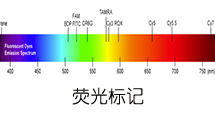
杭州专肽生物技术有限公司(ALLPEPTIDE https://www.allpeptide.com)主营定制多肽合成业务,提供各类长肽,短肽,环肽,提供各类修饰肽,如:荧光标记修饰(CY3、CY5、CY5.5、CY7、FAM、FITC、Rhodamine B、TAMRA等),功能基团修饰肽(叠氮、炔基、DBCO、DOTA、NOTA等),同位素标记肽(N15、C13),订书肽(Stapled Peptide),脂肪酸修饰肽(Pal、Myr、Ste),磷酸化修饰肽(P-Ser、P-Thr、P-Tyr),环肽(酰胺键环肽、一对或者多对二硫键环),生物素标记肽,PEG修饰肽,甲基化修饰肽等。
以上所有内容,为专肽生物原创内容,请勿发布到其他网站上。




sales@allpeptide.com